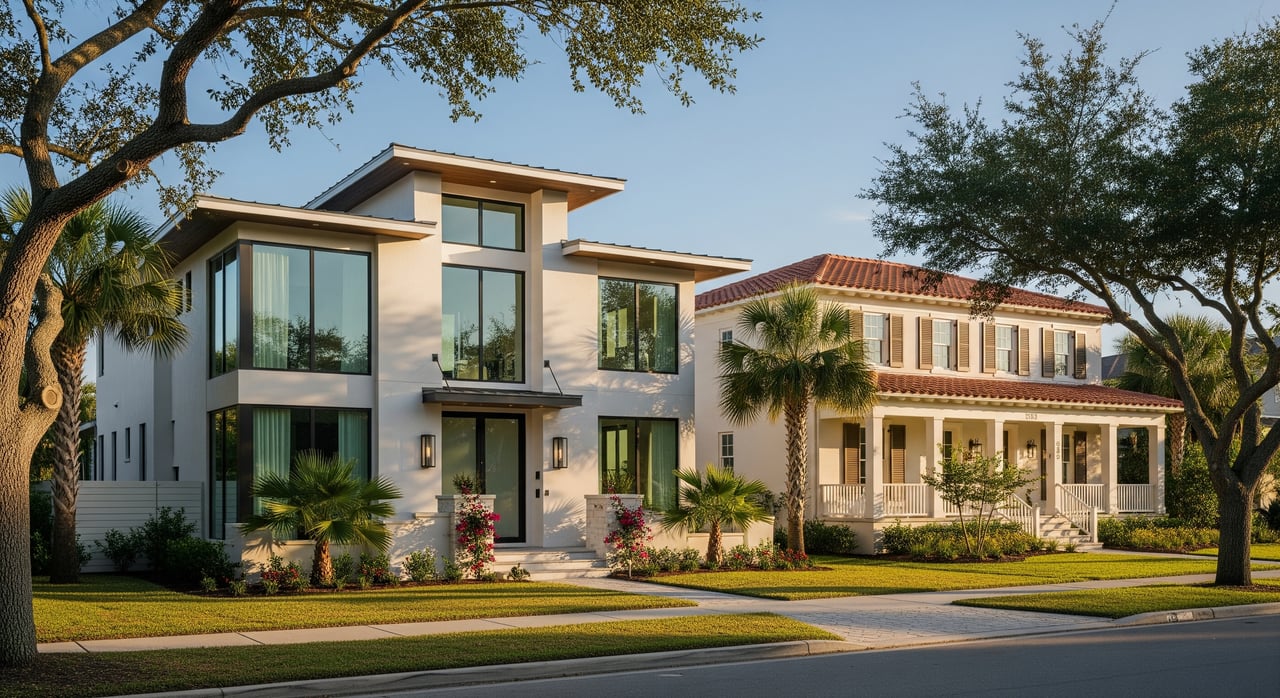
Torn between the sparkle of a brand‑new home and the character of a resale in Port St. Lucie? You are not alone. Both paths can be smart in this fast‑growing Treasure Coast city, but the better choice depends on your total cost, timing, insurance, and community fees. This guide breaks down the real numbers and local factors in PSL so you can compare options with confidence. Let’s dive in.
How PSL’s market shapes your choice
Port St. Lucie is growing quickly with many master‑planned communities and new subdivisions. Areas such as Tradition and parts of St. Lucie West often include homeowners associations and Community Development Districts. These tools fund roads, utilities, and amenities.
A CDD is not the same as an HOA. A CDD is a public unit of government that finances community infrastructure. Its assessments are recorded against the property and typically show as separate line items on the property tax bill. Always confirm the details for a specific neighborhood through county records and the district’s budget.
Total cost of ownership in PSL: New vs resale
Purchase price and negotiation
- New construction often starts with a higher base price for modern layouts and energy‑efficient features. Builders may offer incentives such as closing‑cost help, upgrade credits, or rate buydowns. The final contract price can rise with upgrades and lot premiums.
- Resale pricing is guided by comparable sales. You may have more room to negotiate based on condition, days on market, and seller motivation.
Upfront closing and soft costs
- New construction can include lot premiums, upgrade allowances, impact and connection fees, and optional landscaping or hardscape packages. Some builders offer incentives if you use their preferred lender or title company. It is smart to compare independent quotes.
- Resale purchases often involve negotiation for repairs or credits after the inspection. Older homes may need immediate capital items such as a roof, HVAC, or water heater.
Recurring assessments and property charges
- HOA dues fund common area upkeep and amenities. Both new and resale homes in planned communities can carry HOA fees.
- CDD assessments can add materially to yearly costs. There are usually two parts: ongoing operations and maintenance, and debt service for bonds that financed infrastructure. Bond terms can extend for years. Many districts collect through the annual tax bill, and some allow bond prepayment.
- Property taxes on a new home may start from a lower initial taxable value depending on timing, then adjust. A resale will show a history of assessed values. Review the current tax bill rather than relying on estimates.
Maintenance and repairs
- New construction typically brings lower immediate maintenance. Systems, roof, and appliances are new. Some items like irrigation or enhanced landscaping may be optional add‑ons.
- Resale homes can require near‑term replacements. Roofs, electrical panels, HVAC systems, and water heaters have life cycles. Build a reserve for updates to meet current code or energy goals.
Build an apples‑to‑apples budget
Create a side‑by‑side cost worksheet. Include these line items so nothing gets missed:
- Purchase price, including upgrades
- Closing costs and prepaid items
- Lot premiums and impact or connection fees
- CDD assessments, both annual O&M and bond portions
- HOA dues
- Property taxes
- Homeowners, wind, and flood insurance premiums
- Routine maintenance budget and reserves
- Immediate repairs, inspections, and any quick upgrades
Timelines and process differences
Build and closing timelines
- Spec or inventory homes may be ready in weeks or a few months, depending on release schedules.
- Production homes usually take about 4 to 9 months from contract to completion.
- Semi‑custom and custom builds often run 6 to 18 months or more based on scope, permitting, and site work.
- Resale contracts typically close in 30 to 60 days with financing, faster with cash.
In PSL, permitting backlogs, labor availability, and coastal weather can affect schedules. Rainy season and hurricane season can slow site work and inspections.
Permits, inspections, and occupancy
- New construction: The builder manages permits and municipal inspections. You will close after the certificate of occupancy is issued. Expect a punch‑list walk‑through to address minor items before or shortly after closing.
- Resale: You will order inspections such as general home, termite, roof, and any system‑specific checks. Repairs can be negotiated, and financing may hinge on inspection results.
Financing and appraisal
- Builders often offer incentives tied to preferred lenders. Compare those offers with independent loan quotes to confirm the best net outcome.
- Custom builds may use construction‑to‑permanent loans with draw schedules and inspections.
- Appraisals on new homes can be tricky when there are few recent comparable sales. Resales generally appraise against a deeper comp set, but condition can impact value.
Warranties, inspections, and insurance in Florida
New‑home warranty basics
Many Florida builders use a familiar structure. You will often see one year for workmanship and materials, two years for mechanical systems, and around ten years for major structural defects through a third‑party provider. Always request full warranty documents, confirm coverage and exclusions, and ask about transferability and claims procedures.
Why you still inspect new homes
Even new builds benefit from independent inspections. A pre‑drywall inspection can catch framing, electrical, or plumbing issues before walls close. A final inspection helps you verify systems performance and finish quality. Put the punch‑list in writing and confirm timelines for completion.
Insurance in Port St. Lucie
- Wind and hurricanes: Florida’s wind risk is unique. Newer homes built to the current Florida Building Code often include reinforced roof attachments and impact‑rated openings that can earn wind mitigation credits with insurers.
- Flood risk: If a property is in a Special Flood Hazard Area, most lenders will require flood insurance. Check the official flood maps and request an elevation certificate when available to estimate premiums.
- Market dynamics: Florida’s property insurance market has been volatile. Carrier availability and pricing vary by home age, mitigation features, roof age, and claims history. Citizens Property Insurance serves as a market of last resort in some cases.
Practical steps: Get quotes early whether you buy new or resale. For new construction, ask the builder to provide documentation of wind‑mitigation features and product ratings. For resales, request insurance history and any claims information.
CDDs in PSL: what buyers need to know
How CDDs affect monthly costs
A Community Development District finances and manages infrastructure such as roads, utilities, lighting, and amenities. It funds this through assessments on the properties within the district. These assessments often include ongoing operations and maintenance and debt service for bonds. Bond assessments can last many years. Some districts allow lump‑sum prepayment of the bond portion. Others require annual payment via the tax bill.
The key takeaway: CDD assessments appear as separate line items on the St. Lucie County tax bill and are a recorded obligation tied to the property. Review the district’s current budget and any planned special assessments so you understand future costs.
Where to verify a property’s CDD
- St. Lucie County Clerk and Comptroller records for district formation and bond documents
- The CDD’s engineer reports, budgets, and meeting minutes, typically published by the district or its management company
- The property’s current tax bill, which usually lists CDD assessments clearly
Decision framework: Which is right for you?
New construction: best fit and trade‑offs
Choose new when you value modern layouts, energy efficiency, and minimal near‑term repairs. You will likely benefit from builder warranties and current code compliance that can help with insurance credits. Trade‑offs include higher base prices with upgrades, potential construction delays, and added costs for premiums, fees, or CDDs in master‑planned communities.
Resale: best fit and trade‑offs
Choose resale when you want established neighborhoods, faster move‑in, and the chance to negotiate price or repair credits. You may face near‑term capital items and older systems that do not reflect the latest building code. Insurance pricing can vary with roof age, mitigation features, and claim history.
Questions to ask builders in PSL
- What is included in the base price, and what are the costs for common upgrades?
- Provide a line‑item list of lot premiums, impact or connection fees, and any required options.
- Is the community subject to a CDD? What are the current annual O&M and bond amounts? Are any special assessments planned?
- Provide full warranty documents. What are coverage limits, exclusions, and the claims process?
- What is the build schedule, and how do you handle weather or supply delays? Are there any liquidated damages for late delivery?
- Who inspects the work at key stages, and when can I schedule pre‑drywall and final inspections?
- What wind‑mitigation features are included? Provide product ratings or engineering documentation.
- Do incentives require using your lender or title company?
Questions to ask sellers in PSL
- How old are the roof, HVAC, water heater, and electrical panel? Are there service records or permits?
- Is the property in a mapped flood zone? Is there an elevation certificate?
- Has the property had any insurance claims? Can you provide loss history information?
- Are there pending or special assessments by the HOA or CDD? Please share budgets and recent meeting minutes.
- Can you provide seller disclosures, permits for renovations, any inspection reports, and a recent survey?
Next steps with a local advisor
- Build a first‑year and five‑year total cost comparison that includes insurance, taxes, HOA and CDD, and expected maintenance.
- Get insurance quotes early for both new construction and resale options. Confirm wind mitigation features and roof ages.
- Verify flood zone status and, when available, review an elevation certificate.
- Pull the property’s tax bill and association documents. Confirm CDD assessments and HOA rules.
- Match your move timeline to the right path. If you need to move quickly, a resale or finished spec home may fit. If you have time and want specific features, a production or semi‑custom build can be worth the wait.
When you are ready to compare specific homes or communities in Port St. Lucie, partner with a trusted local broker who will walk you through the numbers and the process. Reach out to Jill McCarthy Thogersen to align your budget, timing, and lifestyle with the right PSL home. As a seasoned Broker Associate with advanced credentials and a patient, consultative approach, Jill will help you make a confident choice.
FAQs
What costs are unique to new construction in Port St. Lucie?
- Expect lot premiums, upgrade packages, impact or connection fees, and potential CDD assessments in master‑planned communities in addition to standard closing costs.
How do CDD assessments show on a St. Lucie County tax bill?
- CDD charges typically appear as separate line items for operations and maintenance and bond debt service, and they are recorded obligations tied to the property.
Do new PSL homes usually lower my insurance premium?
- New homes built to the current Florida Building Code often qualify for wind mitigation credits due to reinforced roofs and impact‑rated openings, though final premiums depend on the carrier and full risk profile.
How long does it take to build a production home in PSL?
- Many production builds run about 4 to 9 months from contract to completion, with timing influenced by permits, supply chains, labor, and weather.
What inspections should I order on a resale home in PSL?
- Start with a general home inspection and add specialists as needed, such as termite, roof, HVAC, septic or sewer scope, pool, and mold or moisture evaluations.