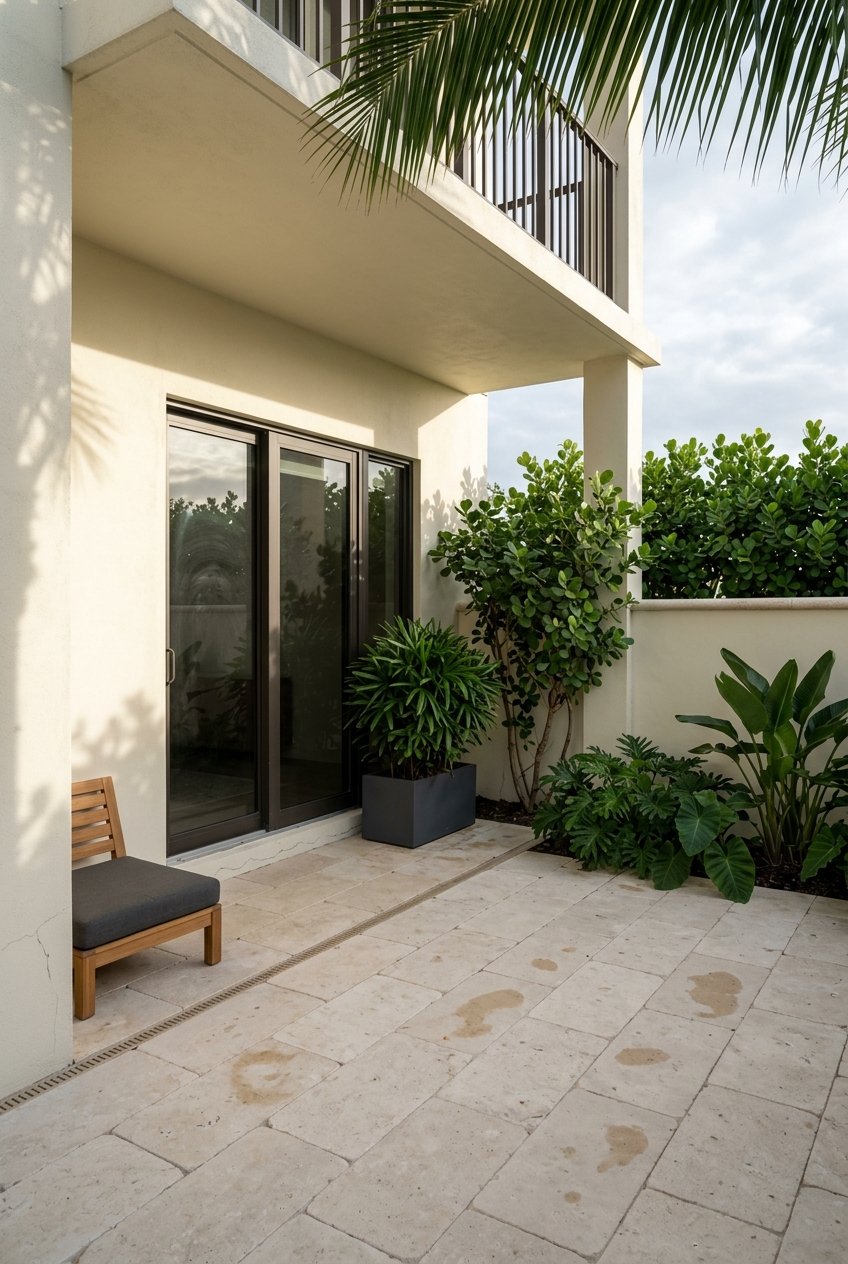
Trying to choose between a condo and a single-family home in Tequesta? You are not alone. In a small coastal village with a mix of condominium communities and detached homes, the right choice often comes down to more than price. If you are weighing lifestyle, upkeep, insurance, and long-term costs, this guide will help you compare both options with Tequesta-specific context so you can move forward with more confidence. Let’s dive in.
Tequesta offers two very different paths
Tequesta is a compact coastal village of about 6,200 residents spread across roughly 2.21 square miles. The village includes both single-family neighborhoods and condominium complexes, with river and ocean frontage shaping how many buyers think about housing, maintenance, and storm planning.
That setting is part of what makes this decision so personal. A condo can offer simpler day-to-day living and a lower entry point, while a single-family home can give you more space and control. In Tequesta, both paths can make sense depending on how you plan to live.
Price differences in Tequesta
One reason many buyers start with condos is affordability. Recent data shows Tequesta condos listed at a median price of about $420,000, while a single-story-home snapshot used as a rough detached-home proxy shows a median listing price of about $799,000.
That creates a directional gap of about $379,000. It is important to treat that as broad context, not a perfect apples-to-apples comparison. Still, it helps explain why condos often attract first-time buyers, seasonal buyers, and anyone looking for a lower upfront cost in Tequesta.
The broader market also shows mixed pricing signals depending on the source and metric. March 2026 data showed a median sale price of $708,700 from one source, while another reported a median listing price of $799,000 and a 95% sale-to-list ratio, labeling Tequesta a seller’s market.
Why condos appeal in Tequesta
A condo often works well if you want a more lock-and-leave lifestyle. If you travel often, split time between states, or simply do not want to handle as much exterior upkeep, condo living can feel much easier.
In Tequesta, that convenience can be especially appealing for seasonal owners and buyers focused on coastal living without taking on every maintenance task themselves. Shared amenities may also be part of the appeal, depending on the community.
Condo pros to consider
- Lower entry price than many detached options in Tequesta
- Less day-to-day exterior maintenance for you to manage
- Convenient for part-time residents or frequent travelers
- Possible access to shared amenities
- Good fit if you prefer a simpler lifestyle footprint
That said, condo ownership in Florida comes with extra homework. You are not just buying the unit. You are also buying into an association, its budget, its rules, and its planning.
Florida condo rules matter more now
If you are considering a condo in Tequesta, due diligence is essential. Florida law gives prospective condo buyers the right to receive important association documents before contract execution, including the declaration, articles, bylaws, rules, the most recent annual financial statement, the annual budget, and the FAQ document.
Current contracts must also disclose milestone inspection and structural reserve study status when applicable. These documents can tell you a great deal about how the building is run, how reserves are funded, and whether future costs may be coming.
What to review before buying a condo
- Association budget
- Most recent financial statement
- Reserve funding details
- Condo rules and bylaws
- FAQ document
- Milestone inspection status, if applicable
- Structural integrity reserve study status, if applicable
This is one of the biggest differences between condos and single-family homes in Florida. With a condo, association health is part of your buying decision.
Reserve studies and assessments
Florida’s post-Surfside condo requirements have changed the cost conversation. For residential condo buildings that are three habitable stories or higher, a structural integrity reserve study is required at least every 10 years and must address major building components like the roof, structure, fire protection, plumbing, electrical systems, waterproofing, exterior painting, windows, and exterior doors.
Existing owner-controlled associations were required to complete their initial study by December 31, 2025. For budgets adopted on or after December 31, 2024, associations that must obtain a reserve study cannot vote to provide no reserves or lower reserves for the covered items.
For you as a buyer, that means monthly dues may reflect stronger reserve funding. It also means special assessments are still something to ask about, since Florida law notes that reserve items may be funded through regular assessments, special assessments, lines of credit, or loans.
Milestone inspections matter near the coast
Milestone inspections are also required for covered condo and co-op buildings at 30 years and every 10 years after that. Local enforcement agencies can shorten that timing to 25 years when proximity to salt water justifies it.
That coastal exception is especially relevant in Tequesta. With river and ocean frontage in the area, buyers should pay close attention to whether a building falls under these inspection rules and what recent findings or repairs may mean for future costs.
Insurance looks different for condo owners
Insurance is another place where condo ownership and homeownership split. In Florida, condo unit owners generally need an HO-6 policy, which mainly covers personal property and liability.
Florida also says that policy must include at least $2,000 of loss-assessment coverage with no more than a $250 deductible. That is a detail worth understanding early, because it affects your ongoing monthly budget and how you prepare for shared-building risks.
Why single-family homes appeal in Tequesta
A single-family home often makes sense if you want more privacy, more storage, outdoor space, or more freedom to make changes to the property. If having a yard, extra room, or direct control over your home matters to you, detached living may be the better fit.
In Tequesta, that can be especially attractive if you want more room for hobbies, outdoor living, or long-term primary residence plans. You also avoid condo association governance and the reserve-study structure that now affects many condo buildings.
Single-family home pros to consider
- More privacy and separation from neighbors
- Yard space and outdoor flexibility
- More freedom to customize the property
- More storage in many cases
- No condo association reserve-study framework for many detached homes
The tradeoff is that more control usually means more responsibility. You are generally the one planning for the roof, exterior repairs, maintenance, and insurance decisions.
Insurance and maintenance for detached homes
For owner-occupied single-family homes, Florida guidance points to the HO-3 model. That generally covers the dwelling, attached structures, some unattached structures, personal property, additional living expense, and liability, subject to policy exclusions.
Just as important, standard homeowners insurance does not cover flood damage. In a coastal village like Tequesta, with river and ocean frontage, flood planning is part of the real carrying-cost picture for many detached-home buyers.
This is where single-family ownership can feel very different from condo living. You may have more independence, but you also need to plan for storm readiness, exterior upkeep, and the full maintenance cycle of the property.
A tax break may help primary residents
If you plan to make a single-family home your permanent Florida residence, Palm Beach County’s homestead exemption may help. The county says the exemption can generally save about $750 to $1,000 per year.
Applications must be eligible as of January 1 and filed by March 1. The Save Our Homes cap also limits annual assessed-value increases to 3% or CPI, whichever is lower.
That benefit can help offset some of the added carrying costs of detached ownership. Seasonal buyers, though, should not assume they will qualify.
Detached homes avoid some condo-level rules
Another practical difference is building oversight. Single-family, two-family, three-family, and four-family dwellings with three or fewer habitable stories above ground are excluded from Florida’s milestone inspection and structural reserve study requirements.
That does not mean maintenance disappears. It simply means you are not paying into the same type of association-level reserve mandate that affects many condos. For some buyers, that is a major advantage. For others, shared planning through an association still feels easier than managing everything alone.
Compare monthly cost, not just price
If you are deciding between a condo and a single-family home in Tequesta, the smartest comparison is usually monthly carrying cost. Purchase price matters, but it does not tell the full story.
A condo may look more affordable upfront, but dues, reserve funding, insurance, and possible assessments can narrow the gap. A detached home may cost more at closing and require more direct maintenance planning, but it can offer more control and fewer association-driven costs.
Ask yourself these questions
- Do you want low-maintenance, lock-and-leave living?
- Are you comfortable reviewing association budgets and reserve documents?
- Do you want a yard, more privacy, or room to customize?
- Would monthly dues feel easier than handling maintenance on your own?
- Are you buying as a primary residence or a seasonal property?
- How important is upfront affordability versus long-term control?
Your answers will usually point you in the right direction faster than price alone.
Which option fits your lifestyle?
A condo may be the better fit if you want simplicity, a lower entry point, and less day-to-day upkeep. That can be a strong match for seasonal owners, first-time buyers, or anyone who values convenience and is comfortable evaluating association finances.
A single-family home may be the better fit if you want space, privacy, and direct control over the property. That often appeals to primary residents, buyers planning for longer-term use, or anyone who prefers to manage maintenance on their own terms.
In Tequesta, there is no one-size-fits-all answer. The best choice is the one that matches how you want to live, what you want to spend each month, and how much responsibility you want to carry yourself.
If you want help comparing condos and single-family homes in Tequesta with a clear eye on monthly costs, insurance, and lifestyle fit, Jill McCarthy Thogersen can help you sort through the options and make a confident move.
FAQs
Is a condo cheaper than a single-family home in Tequesta?
- Often yes on the front end. Recent Tequesta data showed condos at a median listing price of about $420,000 versus about $799,000 for a rough detached-home proxy, but monthly dues and assessment risk can change the long-term comparison.
What documents should condo buyers review in Florida?
- Florida law gives condo buyers access to documents such as the declaration, articles, bylaws, rules, most recent annual financial statement, annual budget, and FAQ document before contract execution, along with milestone inspection and reserve study disclosures when applicable.
Do Tequesta condo buyers need to worry about special assessments?
- Yes, it is something to review carefully. Florida law allows reserve items to be funded through regular assessments, special assessments, lines of credit, or loans, so you should understand the association’s financial position before buying.
Does a single-family home in Tequesta require different insurance than a condo?
- Yes. Florida generally points condo unit owners to HO-6 coverage, while owner-occupied single-family homes generally use HO-3 coverage, and standard homeowners insurance does not cover flood damage.
Can a primary resident get a tax break on a Tequesta home?
- If you qualify as a permanent Florida resident, Palm Beach County’s homestead exemption may generally save about $750 to $1,000 per year, with eligibility based on the January 1 status date and a March 1 filing deadline.
Are single-family homes in Florida subject to condo reserve-study rules?
- Generally no for single-family, two-family, three-family, and four-family dwellings with three or fewer habitable stories above ground. Those properties are excluded from the milestone inspection and structural reserve study requirements that affect many condo buildings.